




Printing Blog

5 custom stationery ideas to set your brand apart
Notepads: Nothing helps the compulsive note taker more than a notepad. Better yet, a custom notepad will help keep you fondly in mind every time it’s used. Notepads are extremely useful, easily re...
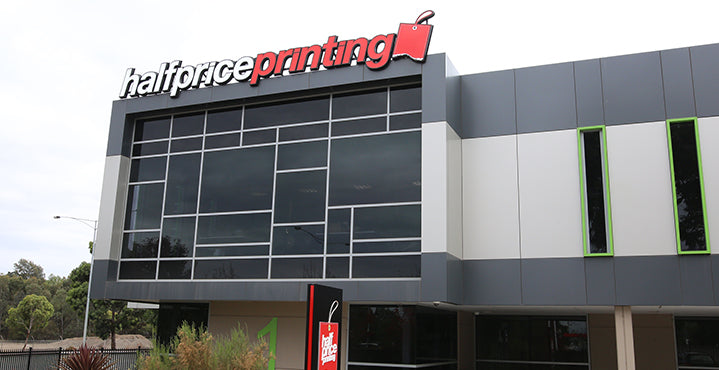
3 Reasons to invest in good signage and graphic design
That’s why good signage and design plays such an integral role in a business’ overall success. Ensure that you’ve captured your brand’s voice and your marketing collateral will be easier to execute...

Designing brochures: the ultimate guide
Print style and finishes
Key to any eye-catching brochure is the print style that you opt for. This is important because a great finish will draw people in by playing on their sense of curiosity. A...

What is print management and how can it help your business?
What is print management?Basically, print management is when a business outsources its printing workload due to a lack of equipment, time constraints or limited expertise. It can involve a professi...

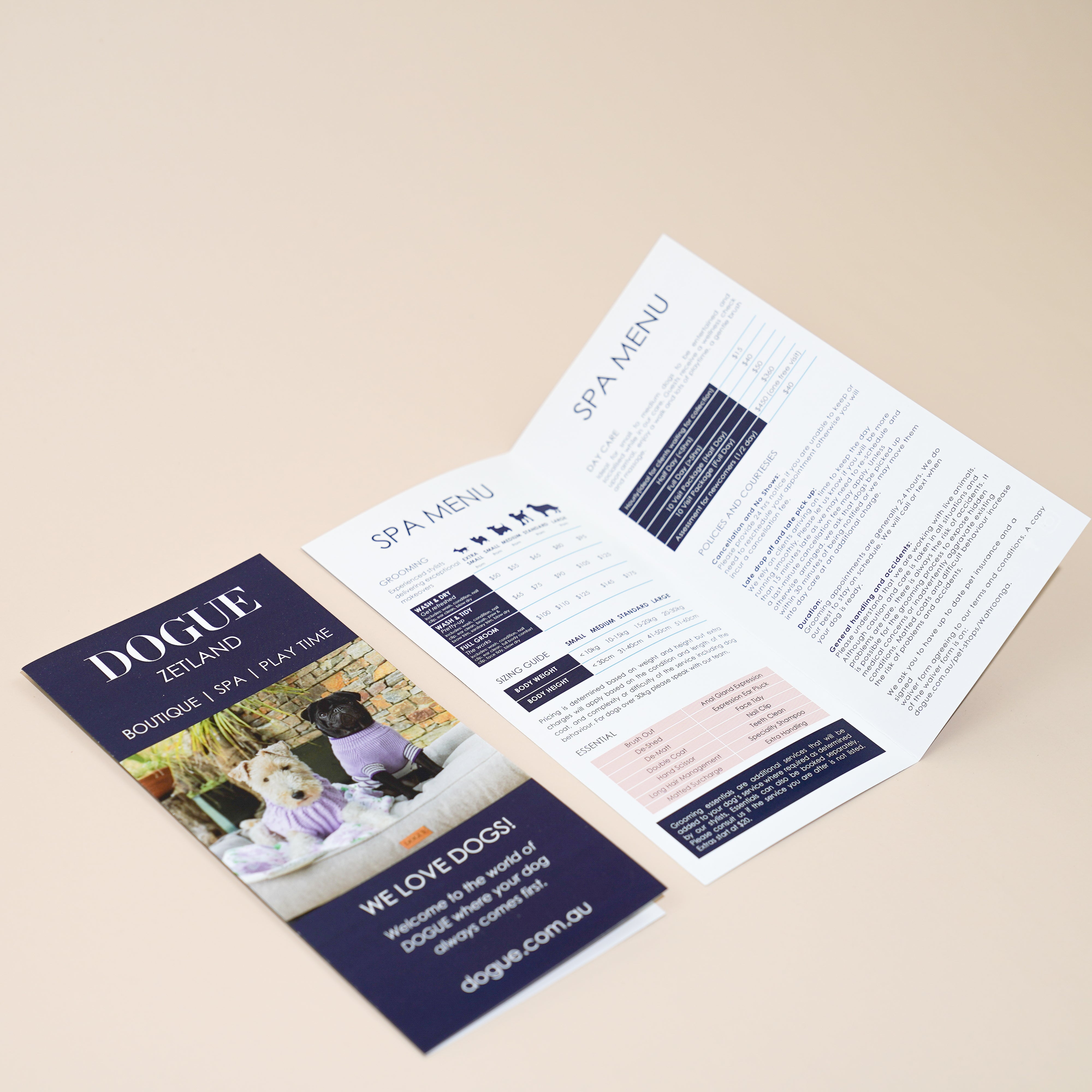
How to design amazing menus
Graphics
Pictures are an important part of any menu and will go a long way towards drawing the eye. Pay particular attention to the front of your menu and incorporate visuals that reflect the typ...
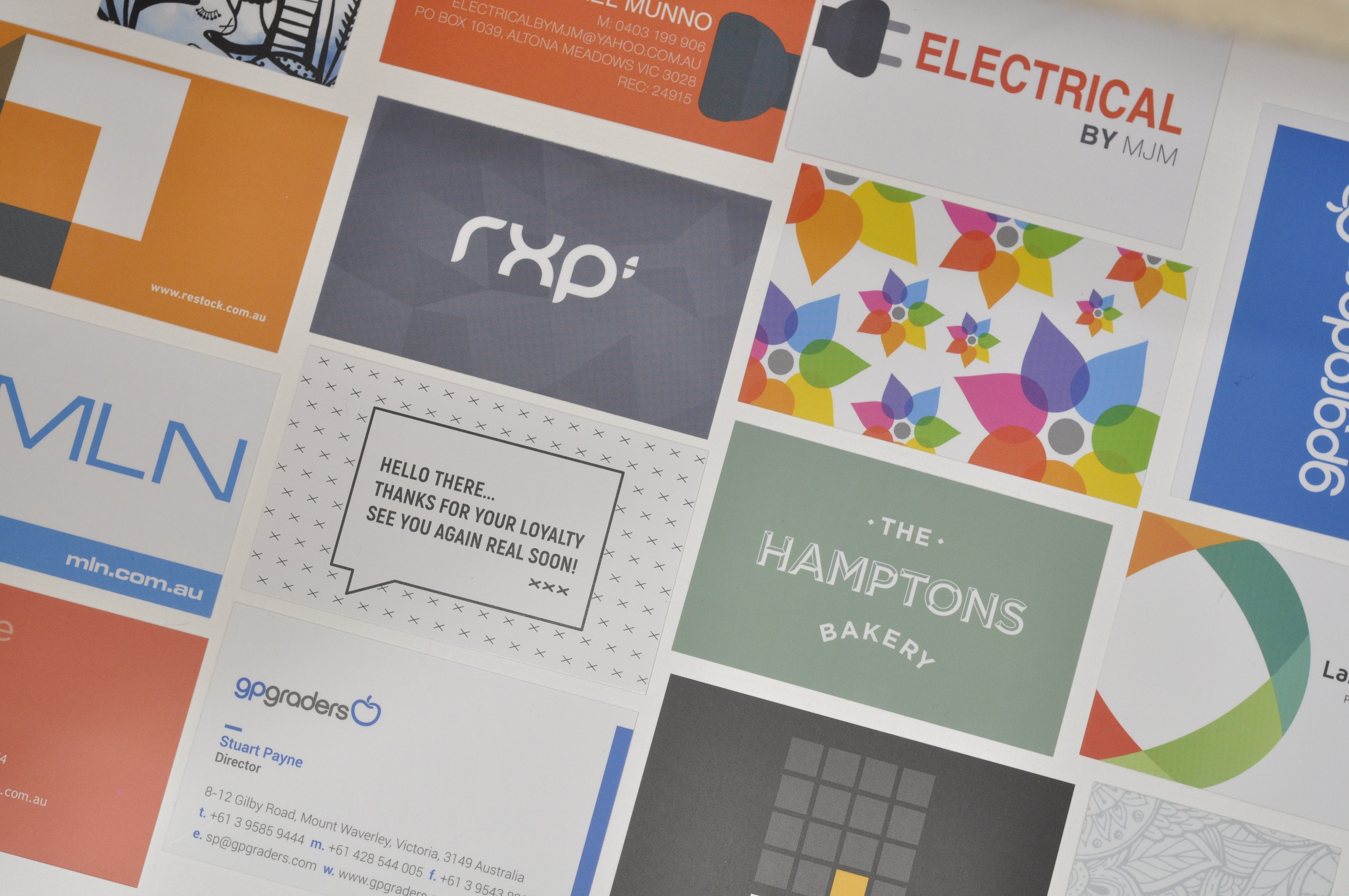
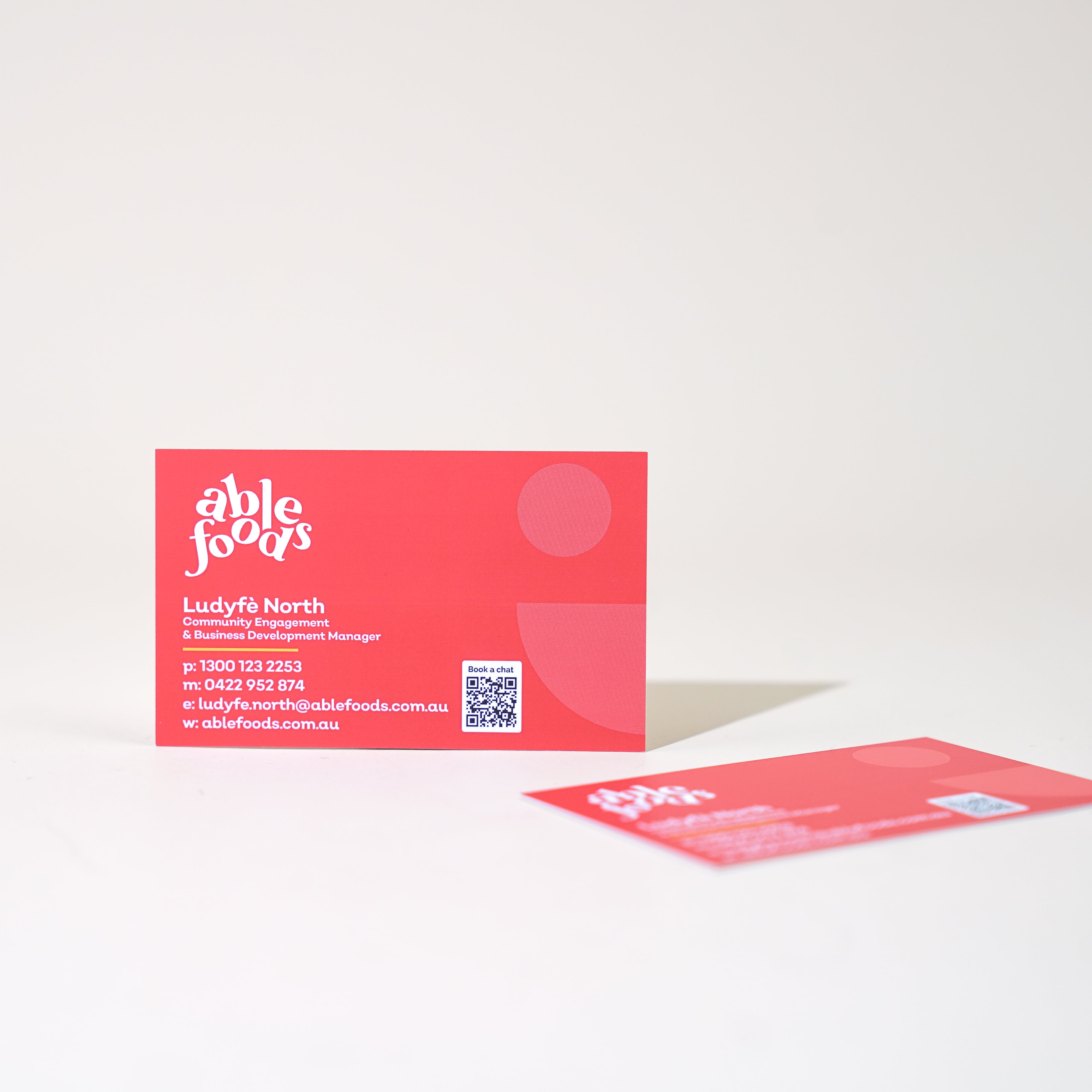
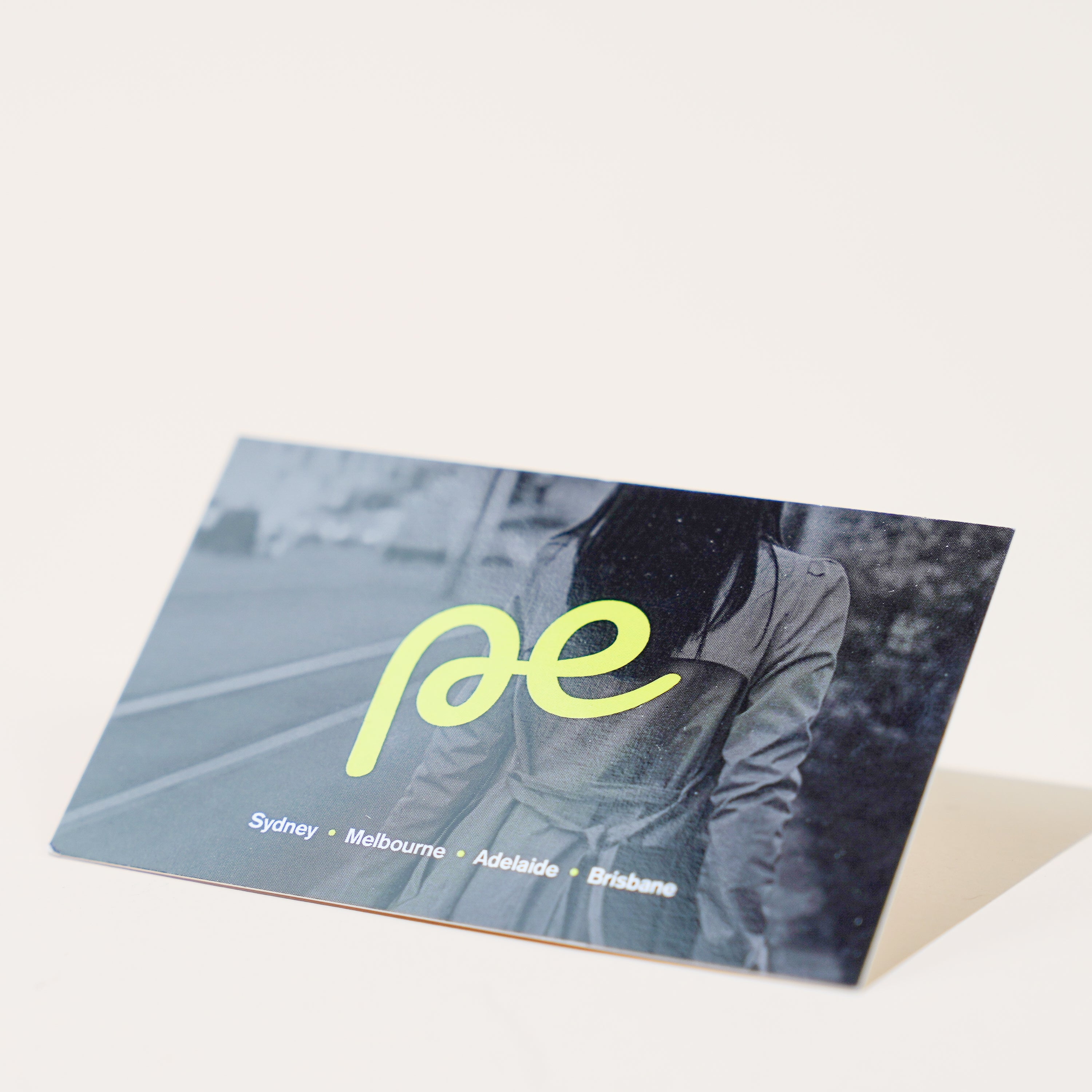
The essentials of an effective business card people will keep!
Here’s the lowdown on what you need to look out for when making your own card in order to avoid this tragedy.
Clarity: What’s worse than a poorly made card is a card that’s difficult to read. Mak...

How to create the right business logo for your brand
1. Messaging
The first thing you’ll want to do when creating a logo is identify the message you are trying to convey. Start by thinking about what it is you do and how you do it. From there, come ...
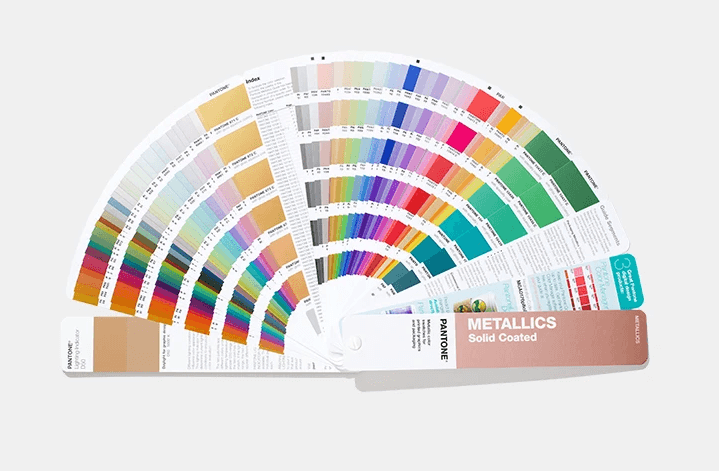
How to Choose Your Brand Colours
Colours spark emotion
It’s no secret that humans are deeply emotional. From the moment we are born our brains begin forming connections with the things around us and processing information based on...
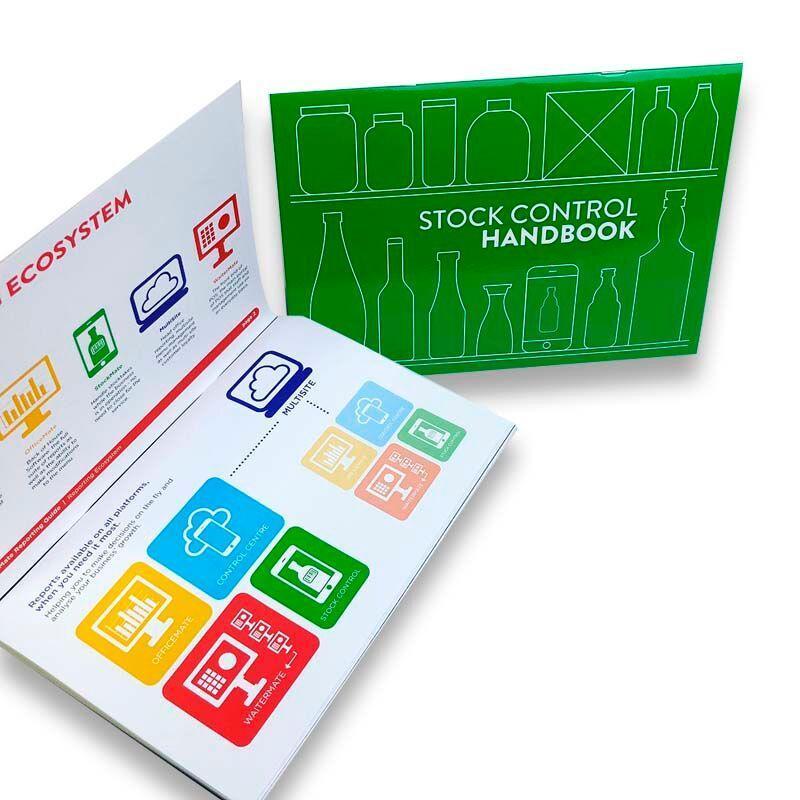
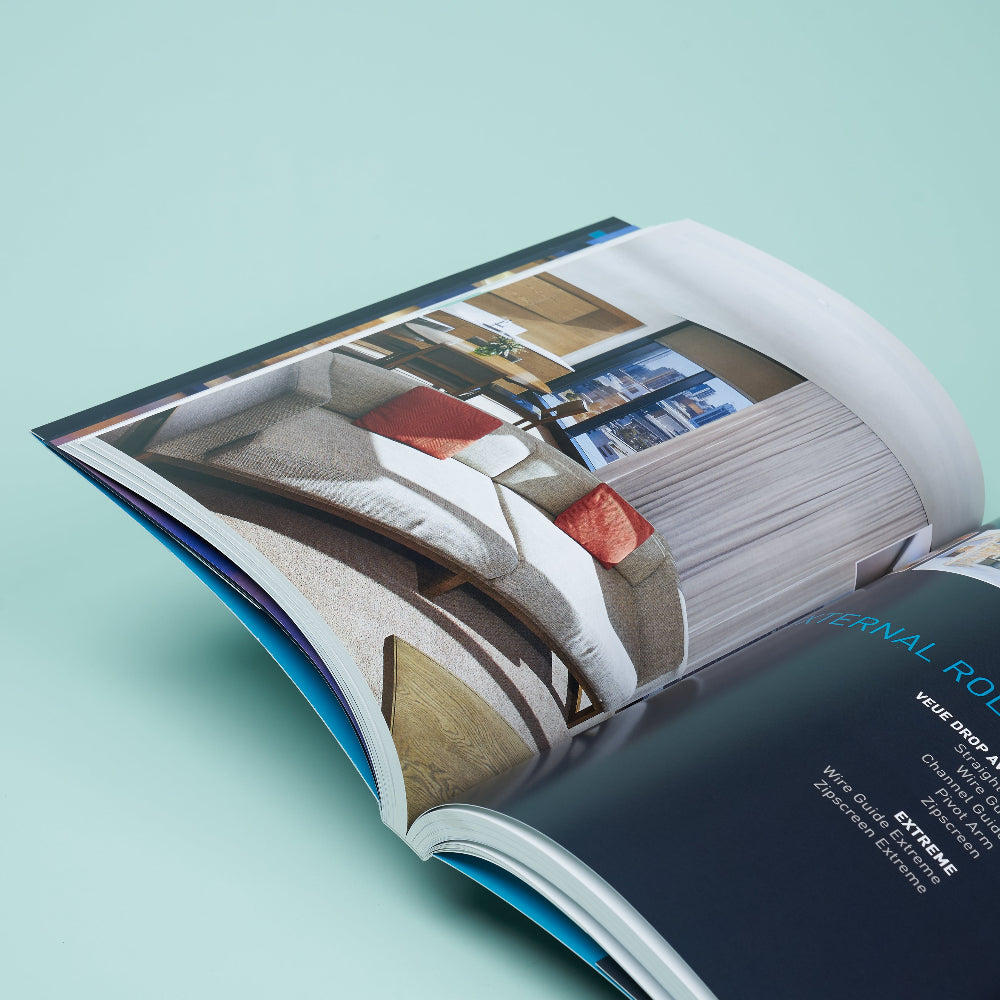
Why Catalogue Printing is Here to Stay
Catalogues are a great bridge between print and digital
What do we mean by this? Well, getting something into the hands of a passer by is a great way to break that initial contact barrier. A crowd ...